THE GOLDSMITHS
Keeping running cash
By the late 1600s, London goldsmiths held customers' money as 'running cash', much like a current account, paid interest on it and lent it out at interest.
Compare the papers doodlebanker
A HISTORY OF BANKING
Long before banks, Londoners left their money with goldsmiths.
Compare the papers
PROMISE TO PAYsince 1694
The goldsmiths wrote out receipts, lent the deposits on, and those paper promises began to change hands. This independent history guide follows how that habit became the banknote, using the Bank of England's own archive.
At a glance
17 clerks
Staff when the Bank opened, 1 August 1694
The Bank of England opened in temporary rooms in the Mercers' Hall, Cheapside, with a staff of just 17 clerks and two gatekeepers. It began as a private bank acting as banker to the Government.
OPENING DAY · BANK OF ENGLAND
£16m → £2m
Gold held by the Bank, before and after the rush
When invasion fears spread in 1797, people rushed to swap notes for gold. The Bank's gold fell from £16 million to £2 million, and it was ordered to stop paying notes in gold.
THE 1797 RUSH · BANK OF ENGLAND
TWO NUMBERS WORTH KNOWING
One figure from the Bank's first day,
one from the panic of 1797.
During the Restriction Period that followed (1797 to 1821) the Bank issued £1 and £2 notes for the first time. Forgery was a capital offence, and the Bank says over 300 people were hanged for it in this period.
PAPER MONEY, 1690s STYLE
In its first week the Bank of England issued three kinds of paper. Pick one to see what it was for. The bar shows how close each came to a modern banknote.
Based on the Bank of England's 1969 Quarterly Bulletin history of the Bank note and its museum. An independent history guide, not financial advice.
THE SHORT ANSWER
Three steps from the goldsmith's shop
to the paper money in your pocket.
THE GOLDSMITHS
By the late 1600s, London goldsmiths held customers' money as 'running cash', much like a current account, paid interest on it and lent it out at interest.
Compare the papersTHE NOTES
The goldsmiths' promissory notes could be passed on as payment and cashed in part. The Bank of England, founded in 1694, gave its depositors similar notes.
See the numbersTHE BANKNOTE
Early Bank of England notes were handwritten for the exact sum deposited. From 1725 partly printed notes came in fixed amounts, starting at £20.
Read an old note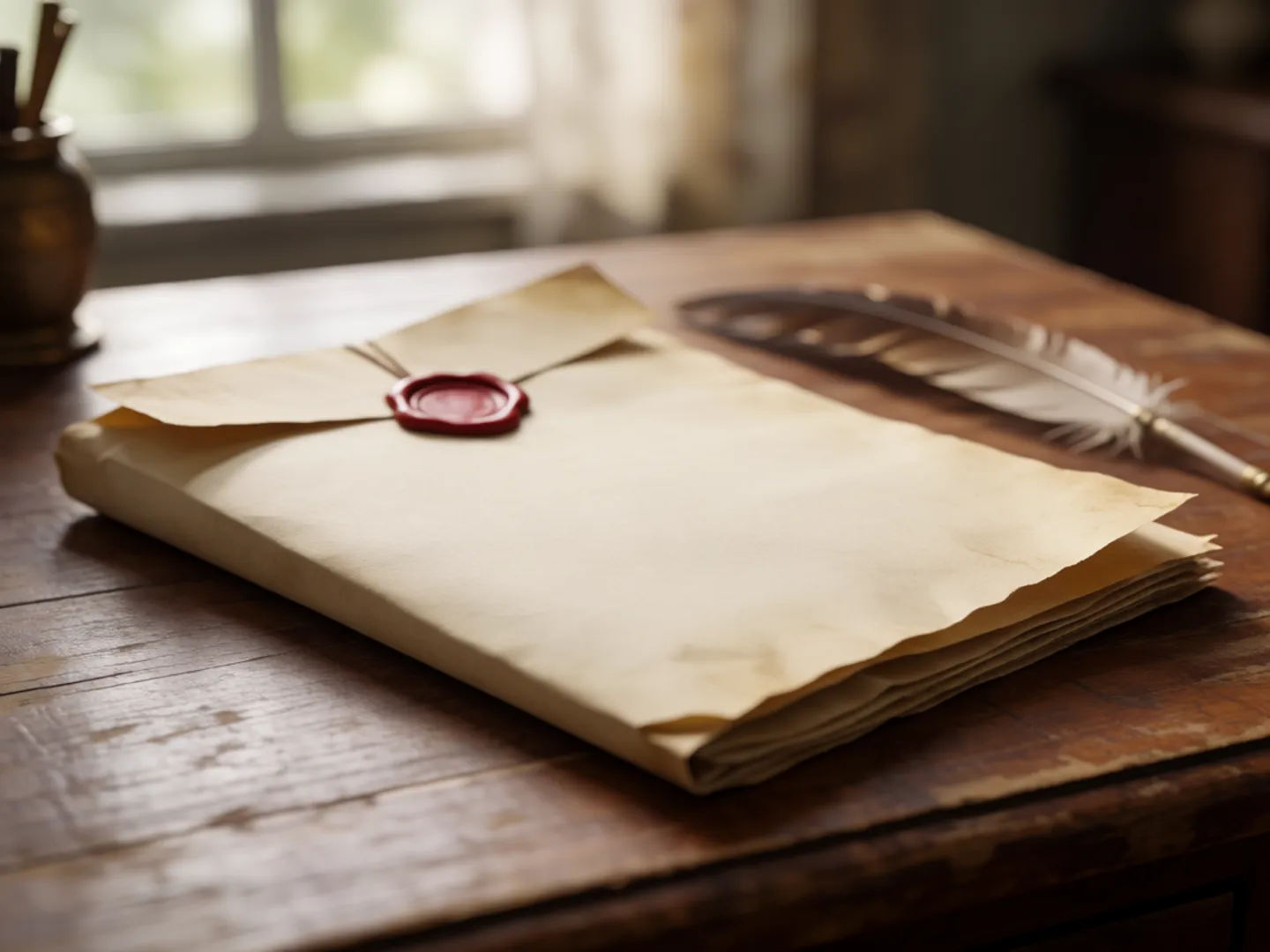
READING AN OLD NOTE
The Bank of England Museum's earliest notes are handwritten and hard to read. These are the features its historians point to.
Early notes carried the words 'promise to pay'. The same words are still printed on Bank of England notes today.
Many early notes were for the exact sum deposited, often with shillings and pence, because coins were scarce.
Part withdrawals were written on the note itself. A note of 1697 shows £22 taken out in two payments, £5 and £17.
Since 1870 only the Chief Cashier has signed Bank of England notes, a tradition that continues on every note issued.
WHY GOLDSMITHS?
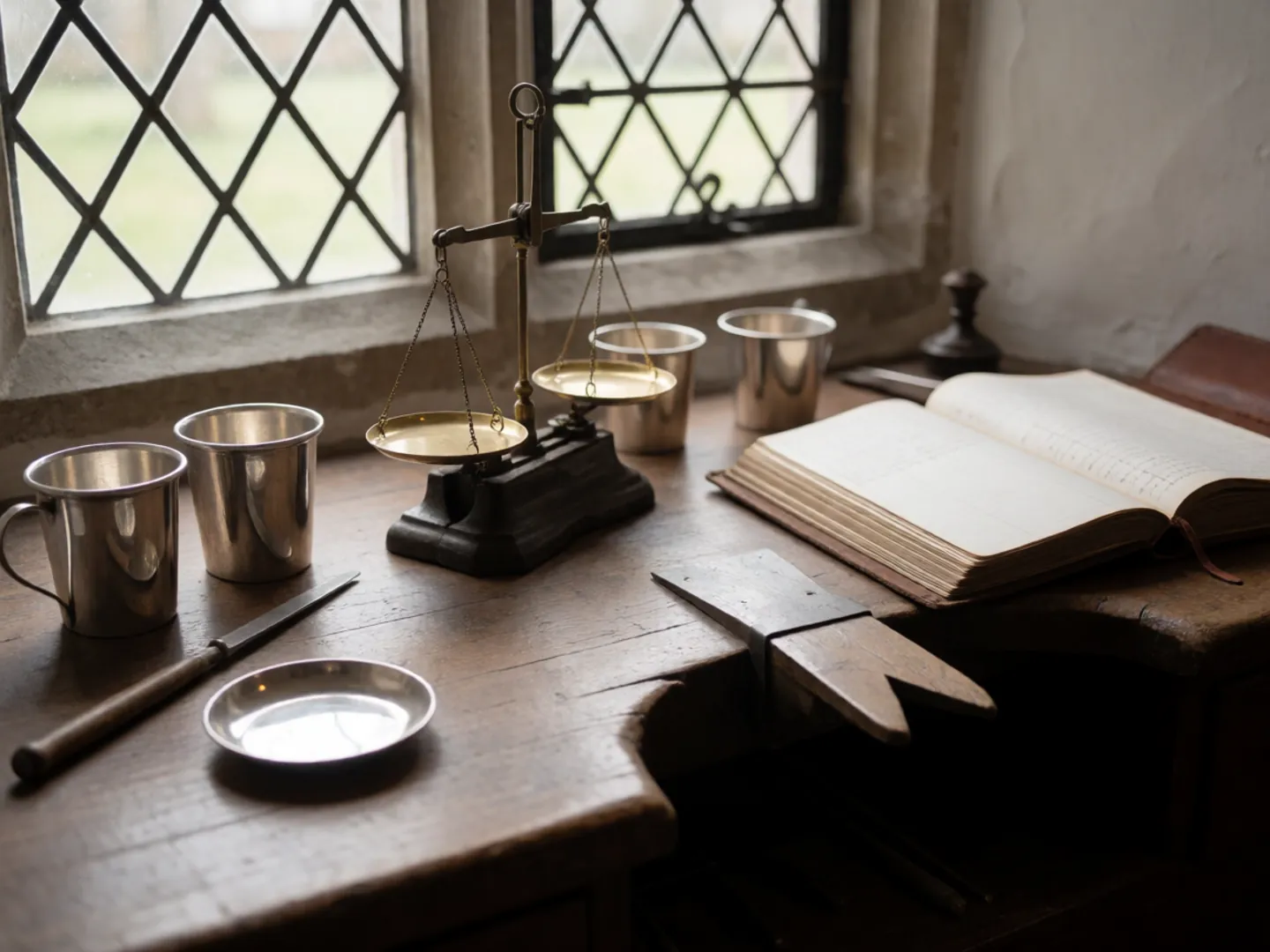
Goldsmiths worked in gold and silver, so they already had valuables, weights and secure premises. The Goldsmiths' Company says several leading goldsmiths who kept 'running cashes' all but gave up making plate to run full-time banking houses.
It was a risky trade. Some made vast fortunes and lost them in 1672, when Charles II's Stop of the Exchequer halted repayments on money lent to the Crown. Until the 19th century, banknotes were used far more widely than cheques.
Questions
The Bank of England's own history says that before 1694 banking in England had been virtually restricted to the goldsmiths of London, who took deposits, made loans and issued notes payable on demand.
No. The Bank says it was the first public bank to issue notes regularly. Sweden's public bank began issuing notes in 1661, but the Swedish government stopped the issue after three years.
Running-cash notes were first made out for the particular sum deposited, often including shillings and pence. From 1725 the Bank issued partly printed notes in fixed amounts from £20 upwards.
The Bank's 1969 history says £10 and £15 notes came in 1759, £5 notes in 1793 during the war with France, and £1 and £2 notes in 1797, when the Bank stopped paying notes in gold.
The name dates from 1797, after a famous cartoon showed the Prime Minister, William Pitt the Younger, trying to 'woo' the gold off an old lady representing the Bank.
Sources
ABOUT THIS NAME
doodlebanker.com is part of the DoodleSale portfolio. It isn't in an auction right now, but you can ask about leasing it.